
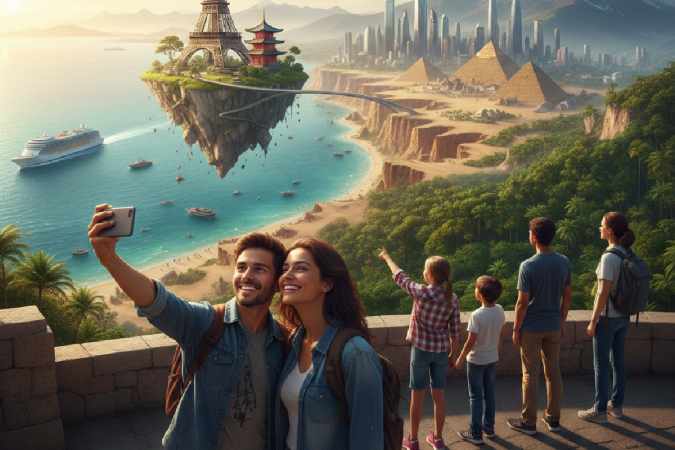
Travel Industry. The travel industry has experienced a remarkable transformation in the digital age. What once required visits to travel agents, stacks of brochures, and lengthy phone calls can now be managed in minutes from a smartphone. This shift toward a digital-first world has not only made travel more accessible but also opened the door to new types of journeys, including those designed around motorcycles.
For modern travelers, convenience and control are no longer luxuries; they are expectations. Technology is stepping in to meet those expectations, reshaping how trips are planned, booked, and experienced.
Table of Contents
Planning Has Never Been Easier
One of the most noticeable benefits of digital innovation is the simplicity of travel planning. Online platforms allow users to compare flights, accommodation, insurance, and itineraries all in one place. Instead of relying on fragmented sources of information, travelers can build entire journeys with clarity and confidence.
Dynamic pricing tools, predictive suggestions, and flexible booking options have also made it easier to tailor trips to budgets and preferences. Whether planning months in advance or organizing a last-minute escape, digital resources provide the agility modern lifestyles demand. This efficiency encourages more people to travel and to travel more often.
Greater Personalization Is Enhancing Experiences
Data-driven technology has enabled a level of personalization that was once unimaginable. Travel platforms can now recommend destinations based on previous searches, suggest activities aligned with individual interests, and even highlight optimal travel periods.
For adventure travelers and motorcycle enthusiasts, this means discovering routes, scenic regions, and riding-friendly destinations that might otherwise have gone unnoticed. Instead of settling for generic holidays, travelers can curate experiences that genuinely reflect their passions.
Platforms Are Supporting Vehicle-Based Travel
A particularly exciting development is the rise of platforms designed to support vehicle transport as part of the travel process. For motorcycle owners, this removes one of the biggest logistical barriers to planning ambitious trips.
Rather than committing to long-distance rides that can be physically demanding before a trip even begins, travelers can now arrange for their bikes to be transported directly to their destination. Dedicated Essex motorcycle shipping marketplaces connect users with specialist providers, allowing them to compare quotes, review feedback, and schedule deliveries with ease.
This approach offers both practicality and freedom. Riders can fly to a location, collect their motorcycle, and begin exploring immediately, refreshed and ready for the journey ahead.
Real-Time Updates Are Reducing Travel Stress
Uncertainty has always been one of travel’s greatest frustrations. Today, real-time notifications keep travelers informed about everything from gate changes to traffic conditions, and the same principle is now applied to vehicle transport. Tracking technology allows users to monitor their motorcycle’s journey, providing reassurance and helping them coordinate arrival times more effectively.
Transparency, like the above examples, transforms what might once have felt risky into a dependable, well-managed process. When travelers feel informed, they feel in control, and that confidence enhances the entire experience.
Flexibility Is Encouraging Spontaneity
A digital-first environment has made flexibility far more attainable. With options to adjust bookings, compare alternatives quickly, and secure services on shorter timelines, travelers are less constrained by rigid planning. This adaptability inspires spontaneity, whether that means extending a trip, exploring an unexpected destination, or organizing a last-minute riding adventure. Technology is not just simplifying travel; it is making it feel more adventurous again.
Looking Ahead
As technology continues to evolve, the travel industry is likely to become even more intuitive. Artificial intelligence, smarter predictive tools, and enhanced mobile platforms will further streamline the planning process. Vehicle transport services will likely grow alongside this progress, becoming an increasingly standard component of travel for riders who want both convenience and adventure.
The future points toward journeys that are not only easier to organize but also richer in possibilities.

Afiya Jafar
Afiya Jafar is a technology and digital lifestyle writer at Digital Life Hackers who focuses on making technology easier to understand and more useful in everyday life. Her work covers software, applications, online tools, gadgets, mobile technology, artificial intelligence and emerging digital trends.

Sameena Begum
Sameena Begum is a technology and digital content reviewer at Digital Life Hackers. She reviews selected articles to help improve clarity, organisation, consistency, factual presentation and overall reader usefulness.