
Walkie Talkie Solutions for Large Teams
“Does anyone know where Jeff is?”
A sentence guaranteed to echo across warehouses, event spaces, and job sites worldwide. Ten minutes later, Jeff shows up holding the wrong item, completely unaware of the fire drill he walked into.
Here’s the thing: large teams break down without real-time communication. Phones are clunky, group chats are chaos, and emails? Please.
If you’re managing a team bigger than your dinner table, walkie talkies—yes, real ones—might just be your unsung workflow heroes.
Table of Contents
Skip the Apps. Hit the Button.
Instant communication shouldn’t require three swipes, a passcode, and an “I’ll call you back.”
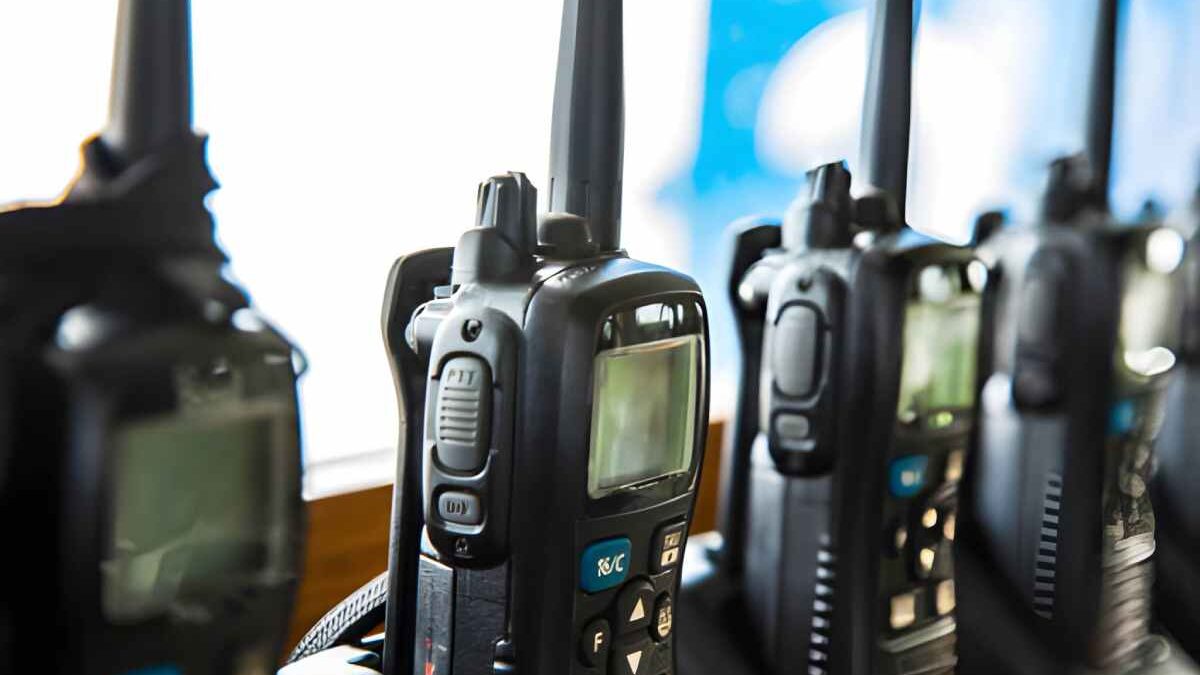
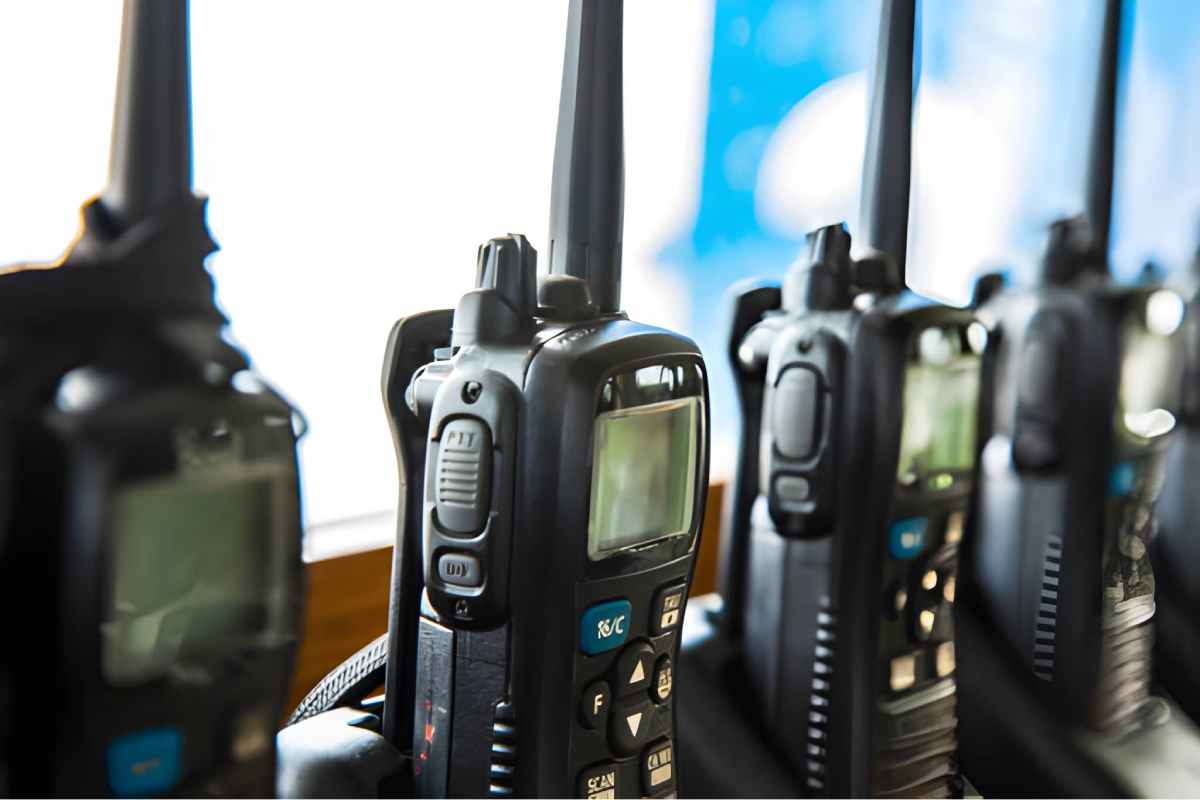
That’s the power of a walkie talkie system with push-to-talk. You press. They hear. That’s it.
No ringing. No voicemail. No “sorry I was in a meeting.” It’s communication stripped down to its most efficient form—built for moments when seconds matter, or when you’re just too annoyed to type a paragraph.
Big Teams. Bigger Coordination Headaches.
The larger the team, the higher the odds something will go hilariously wrong.
One guy’s on break. Another’s on the wrong floor. The third’s wondering if anyone heard him yell “Help?” from the loading dock.
Walkie talkies solve this. Real channels, clear groupings (Ops. Security. Maintenance.), and no distractions. Everyone hears what they need—and nothing they don’t.
Plus, there’s a weird psychological effect: push-to-talk makes people get to the point. No long monologues. No fluff. Just the “who,” “what,” and “get it done.”
Safety That Speaks First
Now, take the jokes out of it for a second.
In high-risk environments—think construction, manufacturing, large events—communication isn’t just a productivity tool. It’s a safety net.
The Occupational Safety and Health Administration (OSHA) points to real-time communication as a core component of workplace safety strategy.
If something goes wrong, a walkie talkie doesn’t care if you’re out of cell service. It doesn’t buffer. It broadcasts—fast, loud, and directly to everyone who needs to know.
Coverage Where Phones Fail
Dead zones. Concrete walls. Remote job sites.
Cell phones are unreliable in the places you need them most. Walkie talkies? They live for that stuff.
With many systems built to operate over private frequencies or nationwide networks (yes, even coast-to-coast), you don’t need five bars to be effective. Your team stays connected in real-time, whether they’re across a warehouse or across the state.
Scale Without the Pain
Adding a new team member shouldn’t feel like onboarding a NASA astronaut.
Modern walkie talkie solutions scale easily—new users, new channels, no headache. Unlike custom tech stacks that require a small IT army to configure, this system grows as you do.
Think warehouse expansion, pop-up logistics, or multi-site operations. These radios flex when your workflow does.
What Actually Matters When Choosing One
Look, not every device out there is built for actual field use. Some are glorified toys. If you’re serious, focus on:
- Range: Can it cover your facility? Your team? Your worst-case scenario?
- Battery life: If it dies mid-shift, it’s useless.
- Durability: These get dropped. A lot.
- Channel control: You want organized chaos—not literal chaos.
- Ease of use: It should feel like second nature.
Final Thought: Stop Texting. Start Talking.
Communication doesn’t have to be complicated. In fact, the best systems are often the simplest.
So if your team’s still playing “Where’s Waldo?” every shift—maybe it’s time to bring back the button.
And maybe Jeff will finally hear you.